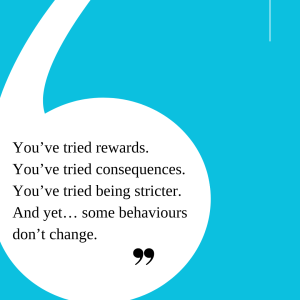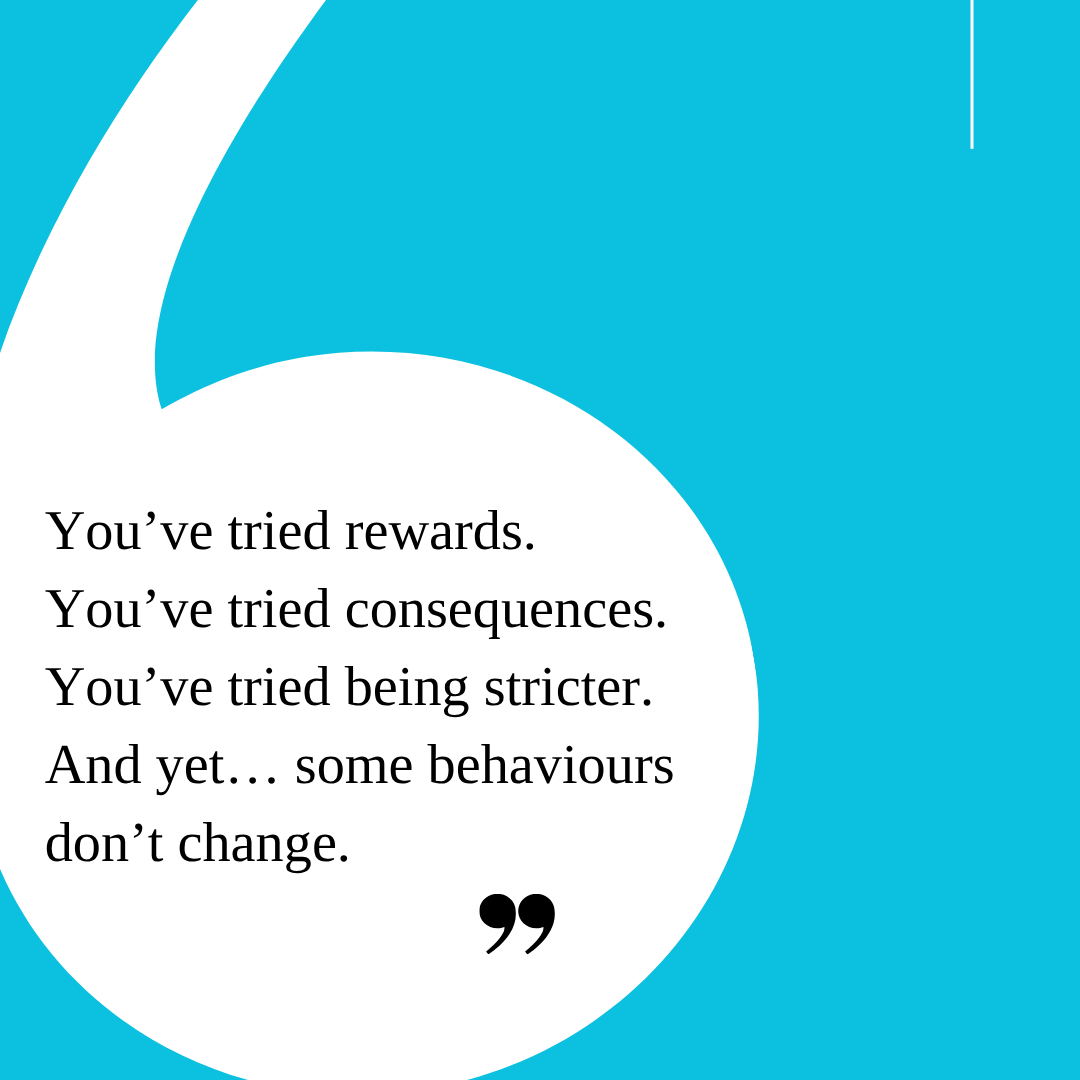
If you’ve ever left school feeling exhausted from managing behaviour, you’re not alone. Many teachers are doing everything they were taught—rewards, consequences, firm boundaries—yet still feel stuck.
That’s where a relationship-first approach changes everything.
The course Relationship First: Building Inclusive Calm Classrooms is designed to help teachers move beyond surface-level behaviour strategies and instead understand what’s really driving behaviour in the classroom.
Because when you understand behaviour differently, you respond differently—and that’s where real change happens.
🌿 What Is Relationship-First Teaching?
At its core, relationship-first teaching is about this shift:
- Behaviour is not “bad” → it’s communication
- Students don’t need control → they need regulation
- Learning doesn’t come first → safety does
Instead of asking:
👉 “How do I stop this behaviour?”
You start asking:
👉 “What does this child need right now?”
🎯 Why This Approach Works
When students feel safe, seen, and supported:
✔ Behaviour improves naturally
✔ Engagement increases
✔ Stress decreases—for both teacher and student
This approach is especially powerful in inclusive classrooms, where children may have diverse emotional, sensory, or learning needs.
🧠 10 Practical Tips You Can Start Using Tomorrow
Here are 10 strategies inspired by the EPV course that you can begin applying immediately:
1. 🔍 See Behaviour as Communication
Instead of reacting to what a child is doing, get curious about why.
Ask yourself:
👉 Are they overwhelmed? tired? dysregulated?
2. 💛 Connect Before You Correct
Correction without connection often escalates behaviour.
Try:
- Using the child’s name
- Soft tone
- Eye-level interaction
Connection first = cooperation later.
3. 🌬️ Focus on Regulation First
A dysregulated child cannot learn.
Build in:
- Movement breaks
- Breathing strategies
- Calm corners
4. 🧩 Co-Regulate, Don’t Isolate
Children learn to regulate through adults.
Instead of sending them away, try:
👉 Sitting beside them
👉 Modelling calm behaviour
5. 🗣️ Change Your Language
Small shifts in wording make a big difference.
Instead of:
❌ “Stop that”
Try:
✅ “I can see this is hard—let’s figure it out”
6. ⏳ Slow Down Your Response
Fast reactions = escalations.
Pause.
Breathe.
Respond intentionally.
7. 🏫 Design a Calm Environment
Your classroom setup matters.
Think:
- Decluttered space
- Visual supports
- Predictable routines
8. 👀 Look for Patterns
Behaviour isn’t random.
Notice:
- Time of day
- Specific triggers
- Transitions
Patterns = solutions.
9. 🌱 Prioritise Relationships Daily
Tiny moments build trust:
- Greeting at the door
- Checking in
- Positive interactions
These matter more than you think.
10. 🧠 Regulate Yourself First
Your calm is contagious.
If you’re stressed, students feel it.
If you’re grounded, they respond to it.
✨ What You’ll Gain From the Course
The Relationship First: Building Inclusive Calm Classrooms goes deeper into these strategies and gives you:
✔ Step-by-step guidance
✔ Real classroom examples
✔ Practical tools you can implement immediately
✔ A complete mindset shift around behaviour
Plus, it’s:
- Fully online
- Flexible
- Eligible for EPV days
🌿 Final Thought
You don’t need to become a stricter teacher.
You don’t need more behaviour systems.
You need a different lens.
Because when relationships come first…
everything else starts to fall into place.